Solar Panel Removal in Tampa: Why It Should Always Go Through a Licensed Electrician
By Soul Solar Solutions ·
Solar Panel Removal in Tampa: Why It Should Always Go Through a Licensed Electrician
If your roof needs to come off for repairs or replacement, your solar panels have to come off first. Solar panel removal in Tampa isn't a job for a general handyman or even most roofing crews. It involves live DC wiring, rooftop electrical connections, and code requirements that only a licensed electrician in Tampa is trained and permitted to handle safely.
When Tampa Homeowners Need Solar Panel Removal
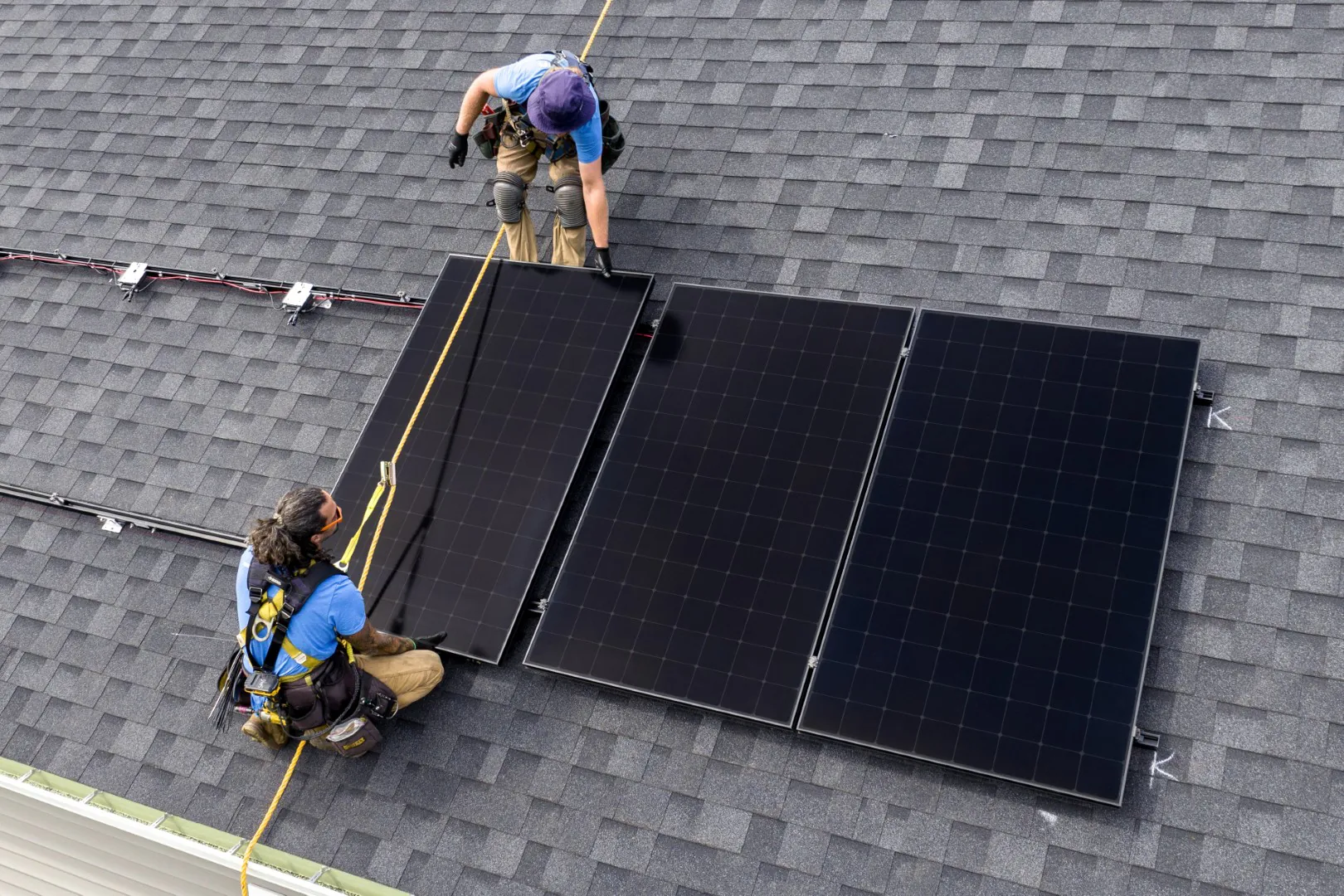
Solar panel removal comes up more often than most homeowners expect, and it's rarely optional once one of these situations hits. Roof replacement is the most common reason. Shingles typically last 20 to 25 years, but a solar system installed on top of an aging roof will outlast the roofing material underneath it. When the roof needs new decking or shingles, every panel and its mounting hardware has to come off first, then go back up once the roofer finishes. Storm damage is close behind, and in Tampa Bay it's a near yearly concern. Hurricane season brings wind uplift, hail, and falling debris that can crack panels, bend racking, or loosen roof penetrations. A damaged system often needs to come down entirely so the roof can be inspected and repaired before reinstallation. Homeowners also request removal when they're selling a house with a leased or older system, upgrading to newer, higher efficiency panels, or relocating panels to a different section of the roof for better sun exposure. In each case, the panels have to be safely disconnected, removed, stored, and either reinstalled or replaced.
Why Solar Removal Is Electrical Work, Not Roofing Work
A solar array is an active electrical system, not just hardware bolted to a roof. Each panel carries DC voltage, and strings of panels are wired together and tied into your home's electrical panel through an inverter. Disconnecting that safely, without damaging equipment or creating a shock hazard, requires an understanding of rapid shutdown systems, grounding, and how your specific inverter and panel brand are wired. This is exactly why Florida requires solar work, including removal and reinstallation, to be performed by a licensed electrical contractor. A roofer can safely work around solar panels once they're de energized and off the roof, but de energizing and disconnecting the system in the first place is electrical work. Skipping this step, or having it done by someone without an electrical license, can void your equipment warranty, create a safety hazard, and put you at odds with your local permitting office.
What to Look for in an Electrician in Tampa for Solar Removal
Not every electrician in Tampa has solar specific experience, and not every solar installer is a licensed electrical contractor. Before hiring anyone for panel removal, check for a few things. Confirm they hold an active Florida electrical contractor license, not just a general contractor or solar sales license. Ask whether they pull permits for removal and reinstallation, since most Tampa area municipalities require one. Find out if they've worked with your specific panel and inverter brand, because reinstallation done incorrectly can void the manufacturer's warranty. Finally, ask how they handle liability and property protection while panels are off the roof and in storage, since a full residential system can represent a significant investment sitting in a garage for a few weeks.
How the Solar Panel Removal and Reinstallation Process Works
A properly handled removal follows a fairly consistent sequence, whether it's for a roof replacement or storm repair. Site assessment. The electrician inspects the existing system, documents the panel layout, and checks the inverter and wiring configuration. Safe shutdown. The system is de energized at the inverter and disconnect switches, following the rapid shutdown procedure required by code. Panel and racking removal. Panels are unbolted, labeled, and removed along with the mounting rails and roof attachment points. Roof access. The roofing crew completes repairs or a full replacement with a clear, panel free roof. Reinstallation. Panels go back up in their original configuration (or an improved one, if you're upgrading placement), racking is reattached to new flashing points, and wiring is reconnected. Testing and inspection. The system is tested for proper output, and the permit is closed out with a final inspection. Most straightforward residential removals take a single day, with reinstallation adding another day once the roof work is finished. Larger systems or complicated roof lines can take longer.
Protecting Your Warranty and Insurance During Removal
Solar equipment manufacturers are specific about who can service their products without voiding coverage. Many require that any disconnection and reinstallation be performed by a licensed, often certified, installer. If an unqualified crew removes your panels and something fails after reinstallation, whether it's reduced output or physical damage, you may find the manufacturer won't honor the warranty. Homeowner's insurance matters here too. If a solar system is removed and reinstalled without proper permits, an insurance company can point to that gap when reviewing a future claim tied to roof leaks or electrical issues. Working with a licensed electrician in Tampa who pulls permits and follows manufacturer installation guidelines keeps both your equipment warranty and your homeowner's coverage intact.
Get a Quote From a Licensed Tampa Electrician If your roof is due for replacement or your solar system took a hit this storm season, don't let an unlicensed crew touch the wiring. Soul Solar Solutions is a licensed Florida electrical contractor with hands on experience removing and reinstalling solar systems across Tampa, St. Petersburg, Clearwater, and the surrounding Bay Area. We handle the permits, the disconnection, the roof coordination, and the reinstallation, so your system goes back up exactly the way it should. Reach out for a free, no pressure quote and we'll walk you through the process for your specific roof and system.