Is Residential Solar Worth It in Florida in 2026?
By Soul Solar Solutions ·
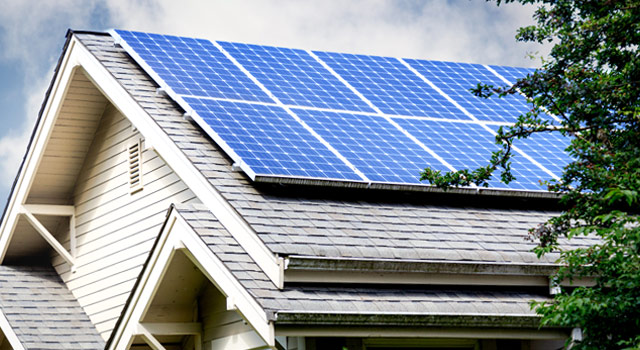
For most Florida homeowners, residential solar is still worth it in 2026, even though the federal tax credit is gone. The savings just come from a different place now: full retail net metering, no state sales or property tax on your system, some of the sunniest weather in the country, and utility rates that keep climbing. Whether it pencils out for you depends on your bill, your roof, and how long you plan to stay. Let's walk through the honest math.
What actually makes solar pay off here
Florida's solar case was never really about the federal credit. That helped, but the state's own advantages have always done the heavy lifting, and they're all still standing. Start with net metering. When your panels produce more electricity than your home is using, that surplus flows back to the grid, and your utility credits you for it at the full retail rate. Those credits carry over and offset the power you draw at night or on cloudy days. Florida's investor-owned utilities, including Tampa Electric, Duke, and FPL, are required to offer this. A properly sized system can bank enough credit through sunny months to keep your net electric cost near zero across the year. Then there's the tax treatment. Solar equipment is exempt from Florida's 6% sales tax, so you skip roughly $1,500 to $2,500 right off the top. And while a solar system raises your home's value, Florida law keeps that added value off your property tax bill for good. You get the home-value bump without the tax hit.
The savings math without the federal credit
Here's the part people worry about. Yes, losing the 30% federal credit stretches the payback period. A cash purchase in Florida now typically pays for itself in about 9 to 13 years, versus the shorter timeline homeowners saw a couple of years ago. But look at the full lifespan. Solar panels last 25 to 30 years. Once the system pays for itself, everything after that is essentially free electricity for well over a decade. Over 25 years, Florida homeowners commonly save somewhere in the range of $15,000 to $30,000 in avoided electric bills, depending on system size and how much power they use. The savings grow over time, too, because they're measured against a moving target. Every rate increase from your utility makes the power you generate yourself more valuable. You've locked in your cost. They haven't.
Rising utility bills change the calculation
This is the piece that's shifting the decision for a lot of people this year. Florida electric rates aren't sitting still. Tampa Electric raised residential rates at the start of 2026, and FPL customers are facing a multi-year run of settlement-driven increases. Summer only sharpens the pain, when the AC runs nonstop and bills spike. When you rent your power from the utility, you're exposed to every one of those increases, year after year, with no ceiling. When you produce your own, you've fixed the biggest part of that cost. That's a large part of why "is solar worth it" increasingly comes down to how much you expect to pay the utility over the next decade, and in Florida, that number keeps going up.
When solar might not be the right call
Solar isn't automatically the answer for everyone, and a good installer will tell you that. A few situations where it may not make sense: * Low electric bills. If you're paying very little each month, there's less to save, and the payback stretches out. * A roof that needs replacing soon. It's usually smarter to reroof first, since removing and reinstalling panels later adds cost. * Heavy shade. A roof shaded by trees for much of the day won't produce enough to justify the investment. * Plans to move quickly. Solar adds home value, but if you're selling in a year or two, you may not reach the payback point yourself. For a shaded roof, a smaller offset system might still make sense. For most sunny Florida roofs with a real electric bill and an owner who plans to stay a while, the numbers work.
Frequently Asked Questions
Q: Is residential solar still worth it in Florida after the tax credit ended? A: For most homeowners, yes. Florida's full retail net metering, sales and property tax exemptions, abundant sunshine, and rising utility rates keep solar financially attractive in 2026. The payback period is longer without the federal credit, at about 9 to 13 years, but the system still produces free power for years after that. Q: How much can I save with solar panels in Florida? A: Most Florida homeowners save between $15,000 and $30,000 over the 25-year life of their system, depending on system size and electricity usage. Net metering credits and rising utility rates increase those savings over time. Q: Does solar increase my property taxes in Florida? A: No. Solar raises your home's market value, but Florida law fully exempts that added value from property tax assessments. You gain the home-value increase without paying more in property taxes. Q: How does net metering work in Florida? A: Net metering credits you at the full retail electricity rate for any surplus power your panels send to the grid. Those credits offset the electricity you use at night or on cloudy days, which can bring your net annual electric cost close to zero with a properly sized system.
See if the numbers work for your home
The only way to know if residential solar is worth it for you is to run your actual bill against a system sized for your roof. At Soul Solar Solutions, we give Florida homeowners a straight answer, including an honest payback timeline and the real savings you can expect, with no inflated promises.
Request a free assessment and we'll show you exactly where your numbers land.