How Much Do Solar Panels Cost in Florida in 2026?
By Soul Solar Solutions ·
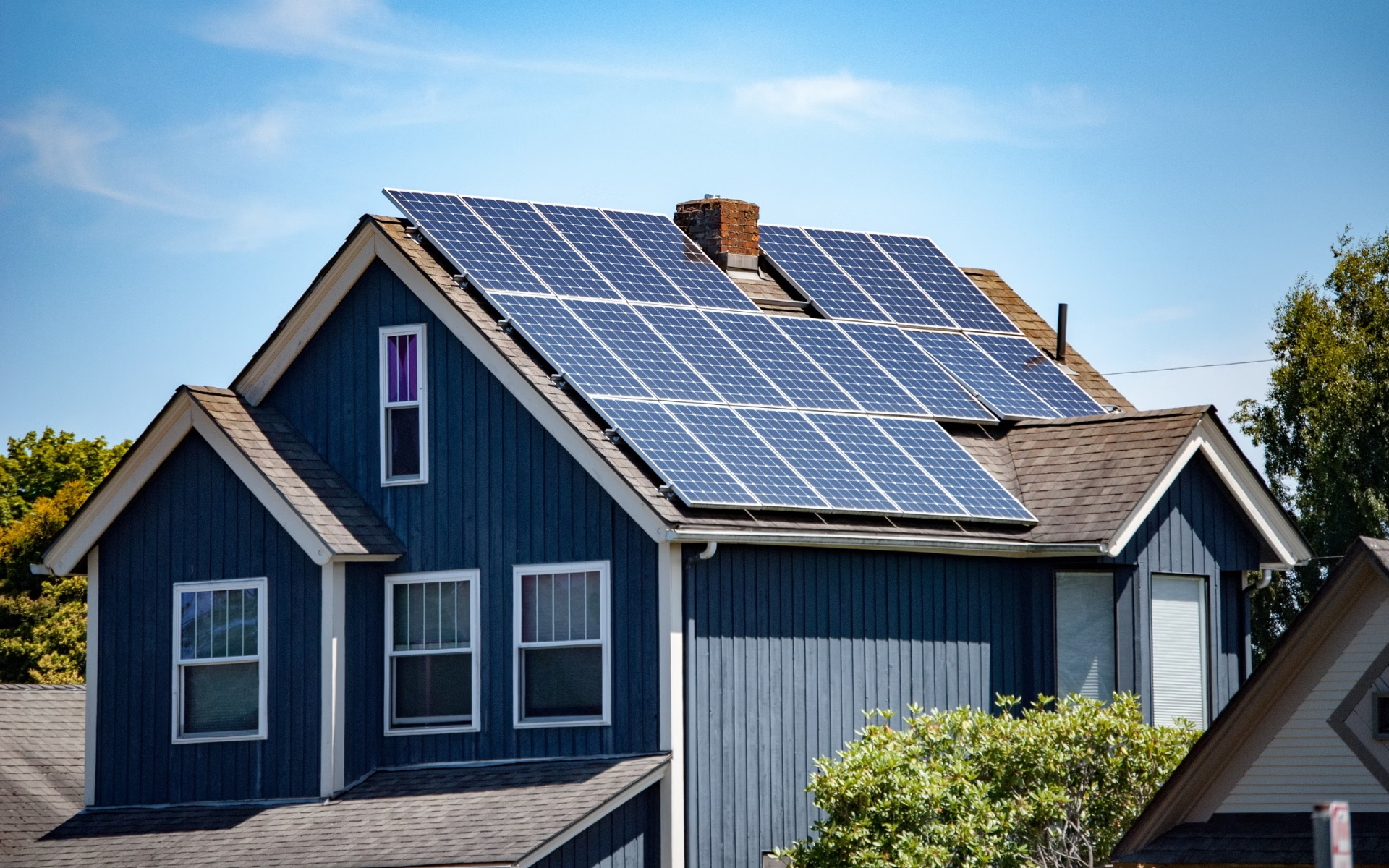
Most Florida homeowners pay somewhere between $18,000 and $28,000 for a solar panel system before any savings kick in, or roughly $2.20 to $3.00 per watt installed. That's the short answer. The longer answer depends on your roof, your electric bill, and how you pay for it. And the math looks a little different this year than it did last year, so it's worth understanding what actually changed before you get a quote.
What goes into the price of a solar system
When you see a number on a solar quote, you're not just paying for panels sitting on your roof. You're paying for the whole package: the panels themselves, the inverter that converts their power into something your home can use, the racking that bolts everything down, the wiring, the permits, the labor, and the utility interconnection. A good quote spells all of that out line by line. System size is the biggest lever. A home running the AC hard through a Tampa Bay summer needs more panels than a snowbird's part-time condo. Most Florida homes land somewhere around an 8 to 11 kW system to cover the bulk of their usage. Bigger house, bigger bill, bigger system, bigger price. It scales pretty directly. A few other things nudge the number up or down. Panel brand and efficiency matter, since premium panels cost more but squeeze more power out of limited roof space. Your roof type plays a role too. A simple shingle roof is straightforward, while tile or metal takes more labor. And if you're adding a battery, that's a separate chunk of cost on top of the panels.
The tax credit changed, and it matters
Here's the update a lot of Florida homeowners haven't caught yet. The 30% federal solar tax credit for homeowners ended on December 31, 2025. If you buy a system with cash or a loan in 2026, you no longer get that credit back on your taxes. Plenty of websites still advertise "30% off," but for owned residential systems, that's outdated. That sounds like bad news, and it does change the payback math. But Florida's real advantages were never built on the federal credit in the first place. The state's own incentives are still fully in place, and for most homeowners here, they carry more of the weight than people assume. One thing worth knowing: the credit still exists on the commercial side through 2027, which is why some homeowners are looking at solar leases and power purchase agreements, where a company owns the system and passes some savings along. That's a different conversation from buying outright, and it's worth asking about.
What still lowers your cost in Florida
What still lowers your cost in Florida Florida doesn't have a state income tax, so there's no state solar income tax credit to claim. Instead, the savings show up in three places that quietly add up: * Sales tax exemption. Solar equipment is exempt from Florida's 6% sales tax. On a typical system, that's roughly $1,500 to $2,500 you simply never pay. * Property tax exemption. Solar raises your home's value, but Florida law keeps that added value off your property tax bill. Permanently. * Net metering. When your panels make more power than you're using, the extra flows to the grid and your utility credits you at the full retail rate. Those credits offset the power you pull at night. Over a year, a well-sized system can push your net electric cost close to zero. Stack those against Florida's sunshine (we average around 5.5 to 6 peak sun hours a day, among the best in the country) and the numbers hold up even without the federal credit.
So is it worth the price?
For most homeowners, yes, though "worth it" depends on your situation. The payback period in Florida now runs about 9 to 13 years for a cash purchase. After that, you're generating power for free for the remaining 15-plus years of the system's life. Over 25 years, savings often land in the $15,000 to $30,000 range. Rising utility rates are part of why interest is climbing. Tampa Electric raised residential rates at the start of 2026, and FPL customers are looking at years of settlement-driven increases. Every time the utility rate goes up, the value of making your own power goes up with it. Locking in your cost while rates keep climbing is a big part of the appeal. The honest advice: get at least three detailed quotes from licensed Florida installers before deciding. Prices vary across the state, and a vague one-page estimate tells you almost nothing. You want the full breakdown.
Frequently Asked Questions
Q: What is the average solar panel cost in Florida in 2026? A: Most Florida homeowners pay between $18,000 and $28,000 before incentives for a system that covers the majority of their electricity use, or about $2.20 to $3.00 per watt installed. Your final price depends on system size, panel choice, roof type, and whether you add battery storage. Q: Can I still get the 30% federal solar tax credit in Florida? A: No. The federal residential solar tax credit expired on December 31, 2025. Homeowners who buy a system with cash or a loan in 2026 no longer receive it. Florida's sales tax exemption, property tax exemption, and net metering are still available. Q: How long do solar panels take to pay for themselves in Florida? A: In 2026, the typical payback period is about 9 to 13 years, depending on your electricity usage, system size, and utility rates. After payback, the system generates essentially free power for the rest of its 25-plus year lifespan. Q: Does adding a battery increase the cost a lot? A: Yes. Battery storage is a separate cost on top of the panels and can add several thousand dollars. Many Florida homeowners still choose it for backup power during hurricane-season outages, since standard grid-tied panels shut off when the grid goes down.
Ready for a real number?
Ballpark ranges are useful, but the only price that matters is the one for your roof and your electric bill. At Soul Solar Solutions, we walk you through a clear, itemized quote with no pressure and no vague estimates, so you can see exactly what you'd pay and what you'd save here in Florida.
Reach out for a free assessment, and we'll size a system to your actual usage and show you the numbers that make sense for your home.